vestibular exercises pdf nhs
This is vital for the success of the programme and should not put you off. Their use has been declining in recent years as the home Epley maneuver see below is considerably more effective.
2
Vestibular Rehabilitation is an exercise-based programme to encourage the nervous system to compensate for problems in the inner ear.
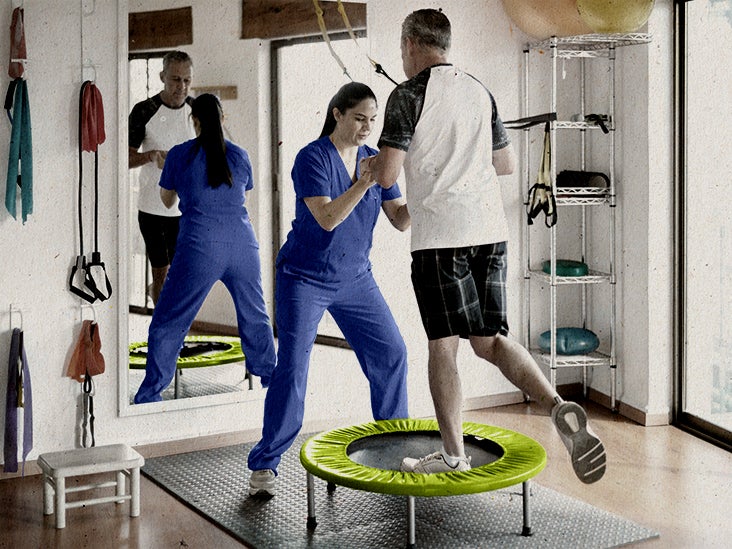
. Vestibular Rehabilitation Exercises Level 1 page 2. Lie down on your right side. It helps to retrain the brains ability to adjust the balance problem and is known as compensation and adaption.
Sit up and turn your head back to a central position facing forwards. Bending forward and picking up objects from the ground Exercise set 3 Standing. At home with an internal door.
2 Steps to follow when instilling ear drops. Within the vestibular or balance system. Quickly lie down on your right-hand side.
Keeping head still move eyes left to right 3. Turn your head 45 degrees to the left or as far as is comfortable. Vestibular Rehabilitation Exercises Level 2.
Exercises A In bed 1 Eye movements. Cawthorne-Cooksey Vestibular Exercises Section A. Remain in this position for 30 seconds or until you no longer feel dizzy.
The brain interprets information gained from the vestibular or balance system. Vestibular rehabilitation exercises This is a specific form of physiotherapy which may be suggested if your movements are very affected. Following a thorough examination a specialist Physiotherapist will develop a personalised home exercise programme for you.
Progress can be fast or slow and it may be 1-2 months before you notice the improvement. The Brandt-Daroff exercises should be performed for two or three weeks and a suggested schedule is as follows Time exercise duration. NHS Trust How to do the exercises 1.
Sitting first then when more confident standing. Treatment may also include increasing. Later with eyes closed.
Extra Vestibular Rehabilitation Exercises wwwuhcwnhsuk 2 Why do these exercises help. Brandt-Daroff Vestibular Exercises The Brandt-Daroff Exercises are a home method of treating BPPV usually used when the side of BPPV is unclear. Tightrope walk forwards placing one foot immediately.
Sitting down repeat exercise 2 in front of a patterned or moving background such as a TV or computer screen. Focus on your index finger as you bring it from arms length away up. Exercises manoeuvres suitable for self management of positional vertigo.
At first slow then quick a up and down b from side to side c focus on finger moving from 3ft to 1ft away from face 2 Head movements. Vestibular and Cawthorn Cooksey Exercises Patient Information University Hospitals Sussex NHS Foundation Trust. The exercises were originally developed to help compensate a stable vestibular loss in one ear unilateral such as following acoustic neuroma surgery vestibular neuritis labyrinthitis or advanced stage burn-out Ménières.
It explains what vestibular rehabilitation is what it involves and how it can help with your recovery. Eye movements and head movements as above 2. When you have a balance problem there can be a mismatch between the distance your head moves and the corresponding distance that your eyes move.
Vestibular rehabilitation exercises are. Head exercises Gaze stabilization Target must remain in focus not blurry and appear stationary while head is in motion Perform exercise with little head movement 45º to either side of midline. Eye head and shoulder movements as above 2.
They succeed in 95 of cases but are more arduous than the office treatments. We hope it will help to answer some of the questions you may have. Vestibular rehabilitation wwwuhcwnhsuk - 2 - From this assessment the audiologist will develop an individualised treatment plan that will include exercises to be performed both in the department and at home which combine specific head and body movements with eye exercises.
When there is an injury or abnormality in any portion of this system the brain must be retrained or taught to interpret correctly the information it receives. Some of the exercises might not provoke dizziness. Vestibular rehabilitation exercises A fact sheet for patients and carers Vestibular compensation Vestibular compensation is a process that allows the brain to regain balance control and minimise dizziness symptoms when there is damage to or an imbalance between the right and left vestibular organs balance organs in the inner ear.
Keeping the head still move eyes up and down 2. Standing up repeat exercise 2 standing barefoot. It explains what vestibular rehabilitation is what it involves and how it can help with your recovery.
To enable this to work fully you will need to be dedicated to doing exercises regularly through. Start sitting upright on the edge of the bed. Changing from sitting to standing position with eyes open and shut 3.
NHS Trust How to do the exercises 1. Standing up repeat exercise 2 standing initially on a few bath towels then a soft foam base. Eye and head movement exercises.
At first slow then quick. When this happens the brain can re-train itself. Dont worry if you seem to be stuck at an exercise for a week or more.
Brandt-Daroff exercises These exercises are a method of treating Benign Paroxysmal Positional Vertigo BPPV. Keeping head still move eyes left to right 3. Vestibular Rehabilitation Exercises Level 1.
A bend backwards and forwards b turn from side to side B Sitting 1 and 2 - as above. The management plan may include. Remain in this position for 30 seconds or until any dizziness has.
Shoulder shrugging and circling 3. They succeed in 95 of cases but more arduous than the Epley manoeuvre. Vestibular exercises merely stimulate the vestibular apparatus.
L Relaxing the neck and shoulder muscles l Training the eyes to move independently of the head l Practising good balance in everyday situations. Turn your head 45 degrees to the left or as far as is comfortable. If an exercise does not cause dizziness you should move on to the next exercise.
Exercise set 2 Sitting. Wwwuhsnhsuk Vestibular rehabilitation We have written this factsheet to give you more information about vestibular rehabilitation. Activities that promote Vestibular input Swings linear or rotation Sitting in a Rocking chair Gaming style floor chair Spinning chair Balance board Yoga especially inversion poses Hanging upside down this can be achieved at the park swinging from a tree branch.
2

Vestibular Rehabilitation Exercises Pi 1209 Pdf Vertigo Nervous System
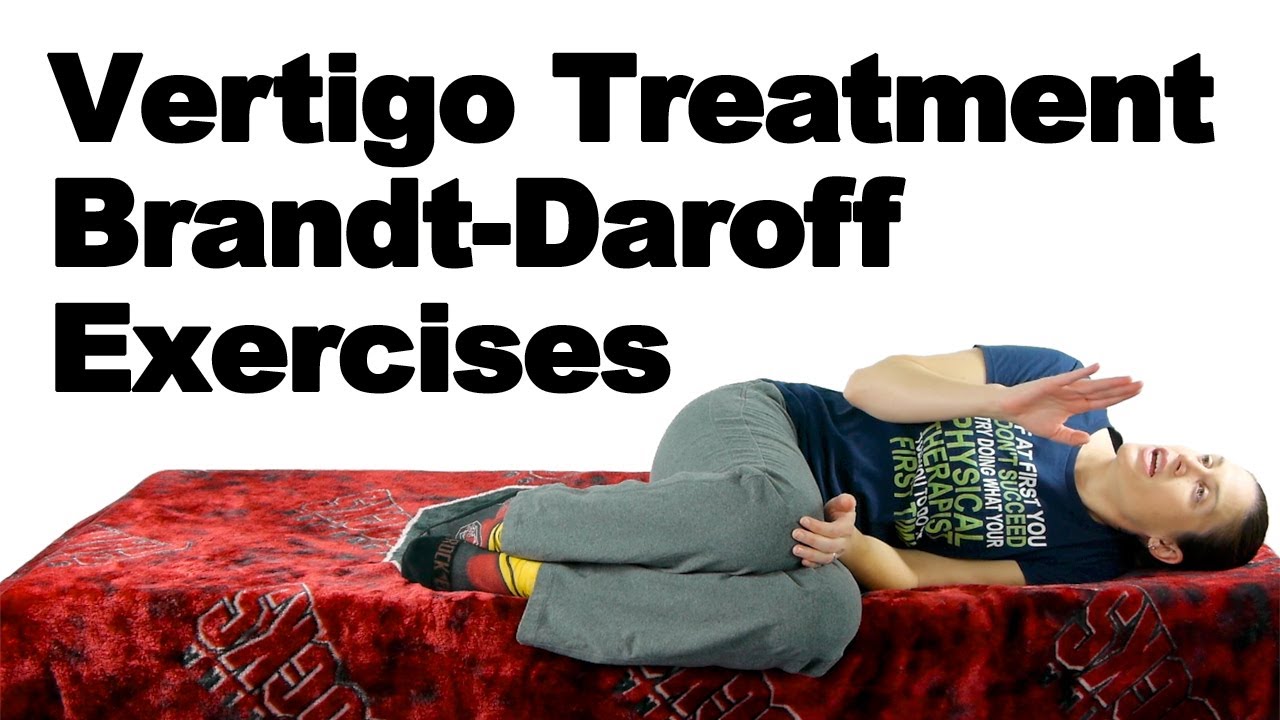
Vertigo Treatment For Bppv With Brandt Daroff Exercises Ask Doctor Jo Youtube

Vestibular Rehabilitation Exercises Pi 1209 Pdf Vertigo Nervous System
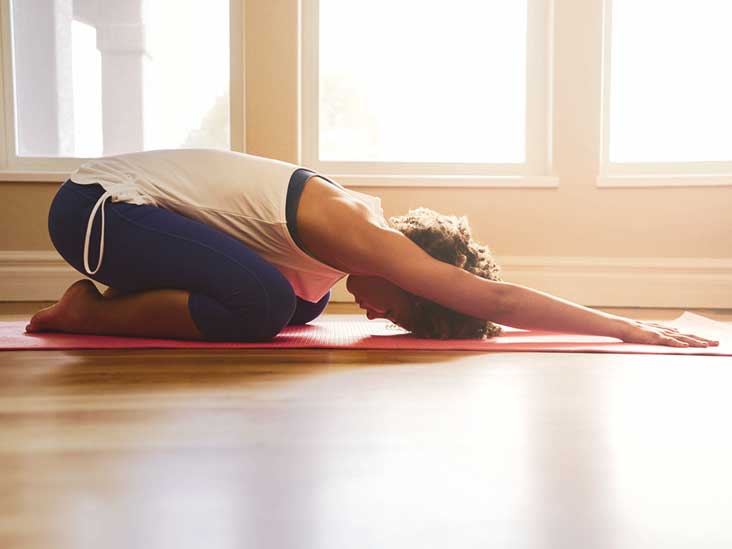
Home Remedies For Vertigo Treatment Tips
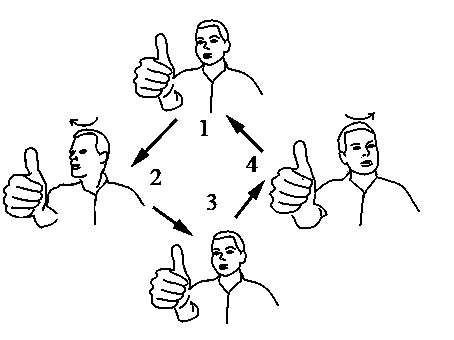
Vor Exercise Gaze Stabilisation Exercises Ear Balance And Eustachian Tube

Pdf Exercise And Physical Therapy Interventions For Children With Ataxia A Systematic Review

Vestibular Rehabilitation Exercises Pi 1209 Pdf Vertigo Nervous System

Vestibular Rehabilitation Exercises Pi 1209 Pdf Vertigo Nervous System

Vestibular Rehabilitation Exercises Pi 1209 Pdf Vertigo Nervous System
2
Physical Therapy Who Can Benefit And How Can It Help

Exercises For Vertigo 4 Options To Try For Relief

Wrist Exercises Mobilityexercises Wrist Exercises Hand Therapy Exercises Hand Therapy

Rainbow Rehabilitation Careers Vestibular Rehabilitation Exercises Pdf
Vestibular And Cawthorn Cooksey Exercises Brighton And Sussex University Hospitals Nhs Trust

Vestibular Rehabilitation Exercises Pi 1209 Pdf Vertigo Nervous System

How To Treat Vertigo At Home With Exercises Advanced Chiropractic Wellness Centre
Brandt Daroff Exercises City Hospital Birmingham Daroff Pdf4pro